
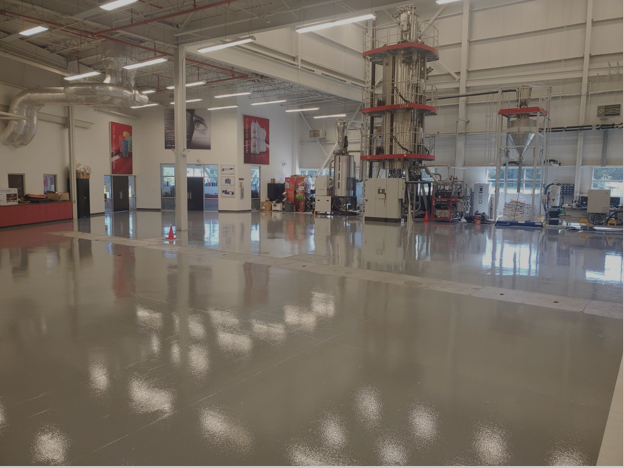
In a city where charm is built into the very foundations, Charleston epoxy flooring might seem like an unexpected match for the rich patina of historic homes. Yet, homeowners are increasingly turning to this modern solution—not as a departure from tradition, but as a smart, sustainable way to preserve it. From centuries-old townhouses to lovingly restored carriage houses, epoxy flooring is quietly revolutionizing the way Charleston preserves its architectural past while meeting the demands of modern life.
The Intersection of History and Durability
Charleston’s historic homes are more than just beautiful—they’re steeped in stories, preserved through generations. But beauty often comes at a cost, especially when it comes to upkeep. Traditional flooring materials like wood or brick can deteriorate quickly in the region’s humid climate. Moisture, foot traffic, and time take their toll. This is where epoxy finishes step in as a practical alternative, offering seamless protection without compromising historical integrity.
Epoxy is a non-porous, chemical-resistant surface that can be customized to complement period interiors. Whether it’s a muted matte for a Colonial aesthetic or a high-gloss finish for a more updated look, the design flexibility is as broad as Charleston’s architectural range.
Defending Against Humidity and Wear
Charleston’s coastal climate is as relentless as it is picturesque. High humidity levels and seasonal storms mean that surfaces are constantly battling moisture. Wooden floors swell and warp, tiles can crack, and grout becomes a breeding ground for mold. An epoxy floor Charleston SCa homeowners trust provides a watertight barrier. Once applied, it seals out moisture entirely, making it an ideal flooring option for basements, mudrooms, kitchens, and even outdoor spaces in historic properties.
Additionally, the durability of epoxy means that it resists abrasions, stains, and everyday wear far better than most traditional materials. For homeowners trying to protect high-traffic areas without losing style, epoxy delivers long-term value and peace of mind.
Style that Pays Homage to the Past
Modern epoxy doesn’t mean futuristic or sterile. Thanks to advancements in application techniques, epoxy floors can be made to mimic natural stone, terrazzo, or even aged concrete. This aesthetic adaptability allows homeowners to maintain the authenticity of their interiors while benefiting from modern advancements.
Historic homes in Charleston often feature original brick or wood details, and epoxy can be tinted or embedded with textures to complement these features. Far from detracting from the character of a home, the right epoxy finish can enhance it.
An Eco-Conscious Choice for Preservation
Homeowners invested in historic properties often think long-term. Preserving not just a home, but a piece of local history, requires careful choices—ones that support sustainability and reduce ongoing maintenance. Epoxy flooring aligns with these goals. Its longevity means fewer replacements and reduced waste. Additionally, its smooth, non-porous surface requires fewer harsh chemicals to clean, making it a more environmentally conscious option.
Conclusion: The Smart Future for Historic Floors
As Charleston continues to blend its storied past with present-day needs, more homeowners are recognizing the advantages of modern finishes like epoxy. Balancing durability, design flexibility, and climate resilience, epoxy offers a subtle yet powerful solution for protecting cherished spaces. For those considering this transformation, Carolina Flooring Specialist stands out as a trusted name. With a deep understanding of both epoxy technology and the nuances of historic Charleston architecture, they provide expert guidance and flawless installations tailored to preserve the soul of every home they touch.