
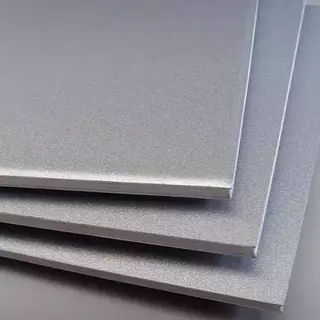
Because they are strong, durable, and look good, perforated sheets are important materials in many fields. C Both materials have their advantages, which makes them great for a wide range of usage, from building designs to industrial uses. This article will look at the qualities, benefits, and main differences between these two common kinds of perforated sheets. It will help you choose the correct material for your purposes.
What are perforated sheets, and why are they important?
Perforated sheets are metal panels that have been punched or perforated with holes in different shapes, sizes, and patterns. Because they may be both useful and attractive, these sheets are used a lot in construction, filtration, automotive, and other fields. Stainless Steel Perforated Sheet and Aluminum Perforated Sheets are useful for a lot of design and engineering problems since they may be utilized for ventilation, soundproofing, or ornamentation.
Why Should You Choose a Stainless Steel Perforated Sheet?
Stainless Steel Perforated Sheet is well-known for being very strong, not rusting, and being able to handle very harsh conditions. It is very valuable in fields where cleanliness and long-lastingness are important, such as food processing and pharmaceuticals. Because stainless steel doesn’t rust, it’s also good for outdoor and maritime use, where it will be exposed to dampness and severe weather. Also, since it can take high temperatures, it’s great for use in exhaust systems and heat exchangers.
Why You Should Use an Aluminum Perforated Sheet
Aluminum perforated sheets are light and flexible, which makes them useful in many situations. One of the best things about aluminium is that it is light, which makes it simpler to work with and install than heavier metals like stainless steel. Because of this, it is a great option for jobs where weight is really important, including building fences, facades, and ornamental screens.
Aluminium is inherently resistant to corrosion since it has a protective oxide coating. This implies that Aluminum Perforated Sheets don’t need much care, even when they are outside. The material is quite flexible, which lets you make complex patterns and bespoke holes. Aluminum sheets are also great for soundproofing since they have great acoustic qualities. This makes them good for use in homes and businesses.
Aluminium is also cheaper than stainless steel, which makes it a good choice for big projects when money is tight. It also reflects a lot of light, which may be useful in situations when you need to spread light or manage the sun.
Important Differences Between Perforated Sheets Made of Stainless Steel and Aluminum
There are several important distinctions between a Stainless Steel Perforated Sheet and an Aluminium Perforated Sheet that may affect your decision. Stainless steel is stronger and lasts longer, so it’s great for places and situations where things need to be able to handle a lot of stress and wear and tear. Aluminium, on the other hand, is lighter, more flexible, and cheaper, which makes it a wonderful option for ornamental uses and situations where weight and price are very important.
Uses for stainless steel and aluminum perforated sheets
Architects often utilize stainless steel perforated sheets for things like facades, grilles, and obstacles. They are also used in the car sector for exhaust systems and filters. These sheets are also great for places that need to be very resistant to heat and corrosion, including chemical processing factories or industrial companies.
Conclusion
It mostly relies on what your project requires when you choose between Stainless Steel Perforated Sheets and Aluminium Perforated Sheets. Stainless steel is great for jobs that need strength, durability, and the capacity to handle harsh circumstances. Aluminum is a great choice for projects that need to be easy to work with, cheap, and flexible since it is lighter and cheaper than other materials. Both materials have big benefits, and the correct one for you will depend on things like weight, strength, cost, and how it looks. If you need a dependable source for high-quality perforated sheets, you may want to check out Dinco.ae for additional selections and helpful tips.
FAQ
- What are perforated sheets made from?
Perforated sheets are typically made from metals such as stainless steel, aluminium, and mild steel, among others. These materials are chosen based on the specific requirements of the application, including strength, corrosion resistance, and weight.
- How do I choose between stainless steel and aluminium perforated sheets?
The decision depends on the specific needs of your project. Stainless steel is stronger and more durable, making it ideal for heavy-duty applications. Aluminium, on the other hand, is lightweight and cost-effective, making it suitable for decorative and architectural purposes.
- Can perforated sheets be used for soundproofing?
Yes, both stainless steel and aluminium perforated sheets offer excellent soundproofing properties, especially when used in designs that maximize airflow and noise absorption. They are commonly used in walls, ceilings, and other construction elements for acoustic control.
- Are perforated sheets easy to clean and maintain?
Stainless steel perforated sheets are resistant to corrosion and can be easily cleaned with standard cleaning agents. Aluminium perforated sheets require minimal maintenance but may require occasional cleaning to prevent oxidation or staining.
- Where can I use perforated sheets?
Perforated sheets are used in a variety of applications, including architectural facades, filtration systems, decorative designs, automotive components, and soundproofing systems. The material choice depends on the specific environmental and functional needs of the project.