
Key Takeaways
- The latest trends in professional landscaping services blend ecological mindfulness with design creativity.
- Sustainable practices and technology integration are transforming landscapes for homeowners and businesses alike.
- Maintenance, innovation, and local plant selection continue to guide best practices in the landscaping field.
Table of Contents
- Eco-Friendly Designs and Their Impact
- How Technology Is Changing Landscaping
- The Benefits of Native Plant Choices
- Smart Stormwater Solutions in Modern Landscaping
- Professional Seasonal Maintenance Essentials
- DIY Versus Professional Landscaping Services
- Landscaping for Community Health and Wellness
- Where Are Landscaping Services Headed Next?
Eco-Friendly Designs and Their Impact
Sustainable landscaping design is no longer a niche trend—it’s become the foundation of modern outdoor spaces for homeowners and commercial properties alike. Increasing awareness of environmental issues has prompted clients to seek professionals who prioritize eco-mindfulness in everything from plant selection to water management. Thoughtfully balanced landscapes that harmonize with nature create natural beauty and promote ecosystem health.
A key driver of this movement is the rising popularity of pollinator gardens, organic mulches, and non-toxic materials. These eco-friendly features appeal to clients aiming to reduce their carbon footprint while still reaping aesthetic and functional rewards. For those managing new-build sites or large property upgrades, efficient resource delivery is essential—services like dirt gravel sand hauling Fort Wayne IN ensure that earth-friendly projects run smoothly and stay on schedule.
Recent studies and American Society of Landscape Architects reports spotlight a shift toward environmentally conscious design principles on both small and large scales. Mulching with organic materials, xeriscaping to conserve water, and introducing wildlife-friendly plant arrangements rapidly become industry standards.
Landscapers are now expected to offer a consulting role, helping property owners prioritize changes that make an immediate difference, such as updating outdated irrigation, swapping out non-native turf, and integrating modern soil preservation techniques. These solutions help foster long-term resilience, biodiversity, and energy conservation on every site.
How Technology Is Changing Landscaping
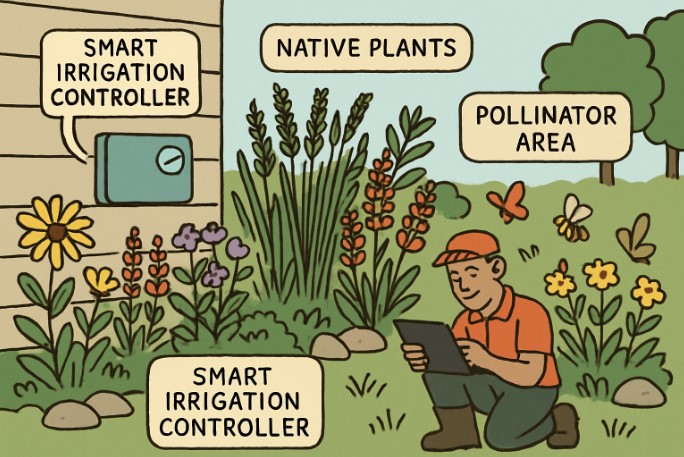
Innovation in landscaping extends far beyond plant selection and layout. Adopting technology, including drones for overhead mapping, landscape design software for precision planning, and automated systems like smart irrigation controllers, is revolutionizing how professionals manage residential and commercial projects. These advancements not only optimize resource allocation but also enhance the accuracy and creativity of design execution.
Data-driven solutions such as soil moisture sensors and hyperlocal weather integration provide real-time recommendations, removing the guesswork from watering and planting. Landscapers can even conduct remote consultations and track installations digitally, improving efficiency and transparency for clients. As outlined by Houzz’s coverage of innovative landscaping trends, these tools redefine client collaboration and onsite productivity.
The Benefits of Native Plant Choices
Choosing native plants has become a cornerstone of resilient landscaping. Native species require significantly less water, fertilizer, and maintenance than exotic alternatives. They are better adapted to local climatic conditions, making them cost-effective and environmentally responsible.
Additionally, native plants are crucial in increasing urban biodiversity and creating habitats for pollinators, birds, and beneficial insects. By supporting local wildlife, landscapes can become vibrant, living ecosystems that offer much more than aesthetics. According to research from the EPA: Using Native Plants, these selections increase climate resilience—vital in areas experiencing unpredictable weather and water restrictions.
Smart Stormwater Solutions in Modern Landscaping
Controlling stormwater runoff is a growing priority, especially as more cities face fluctuations in rainfall and flooding. Innovative approaches like permeable paving and rain gardens manage runoff naturally, filtering pollutants and recharging groundwater supplies. Projects that integrate customized grading, bioswales, and innovative drainage systems help minimize erosion and reduce the burden on public water infrastructure.
Communities nationwide have begun sharing success stories of eco-friendly stormwater management. These features benefit individual properties and create healthier, more sustainable neighborhoods. The rise of community-led green infrastructure programs is supported by evidence from The New York Times’ reporting on sustainable landscaping.
Professional Seasonal Maintenance Essentials
Landscaping is a year-round commitment that goes well beyond regular mowing. Seasonal maintenance by professionals ensures the ongoing vitality and appeal of a landscape. A comprehensive approach includes careful soil health management, strategic pruning, mulching, and updating pest plans.
Specific tasks—fertilizing in spring, aerating in the fall, and advanced tree care—are best left to landscapers with technical know-how and specialized equipment. Regular maintenance elevates plant resilience, keeps green spaces looking their best, and protects your long-term investment.
DIY Versus Professional Landscaping Services
Many homeowners seek a do-it-yourself approach, which appeals to those seeking hands-on involvement or budget savings. DIY projects can offer satisfaction and minor cost control, especially for small installations or routine upkeep. However, larger projects, tree work, or complex site grading almost always require professional expertise from a reputable Smithtown company like Tree Ease. A landscape expert ensures lasting results, safety, regulatory compliance, and maximum curb appeal.
While homeowners can take on some basic tasks, professional landscapers often deliver better long-term value. Their experience enables efficient project management and access to high-quality materials. Professional expertise usually outweighs the initial DIY cost benefits when evaluating return on investment and ongoing maintenance requirements.
Landscaping for Community Health and Wellness
There’s mounting evidence that well-managed green spaces deliver profound mental and physical health benefits. Access to landscaped parks, gardens, or living walls encourages outdoor activity, reduces stress, and fosters social interaction. Urban landscaping projects, such as pocket parks and tree-lined boulevards, help counteract the isolating effects of dense development and improve overall public well-being.
Many recent urban initiatives emphasize community-led projects. These programs encourage residents to help design, plant, and maintain shared outdoor spaces, strengthening neighborhoods and civic pride. Such efforts are increasingly cited in National Geographic’s reporting on nature and well-being.
Where Are Landscaping Services Headed Next?
Professional landscaping responds to new environmental policies that encourage sustainability, water efficiency, and biodiversity. Emerging trends like edible landscapes, urban farming, and wildlife corridors show how tomorrow’s designs will meet ecological and aesthetic goals. As the impacts of climate change deepen, landscaping professionals focus more on resilience—selecting adaptable plants and integrated management strategies.
Homeowners and businesses can expect increasing innovation at every stage of landscape design and care. By blending nature-inspired solutions with the latest technology and sustainable practices, the industry is taking active steps to ensure greener, healthier, and more functional spaces for communities everywhere.