
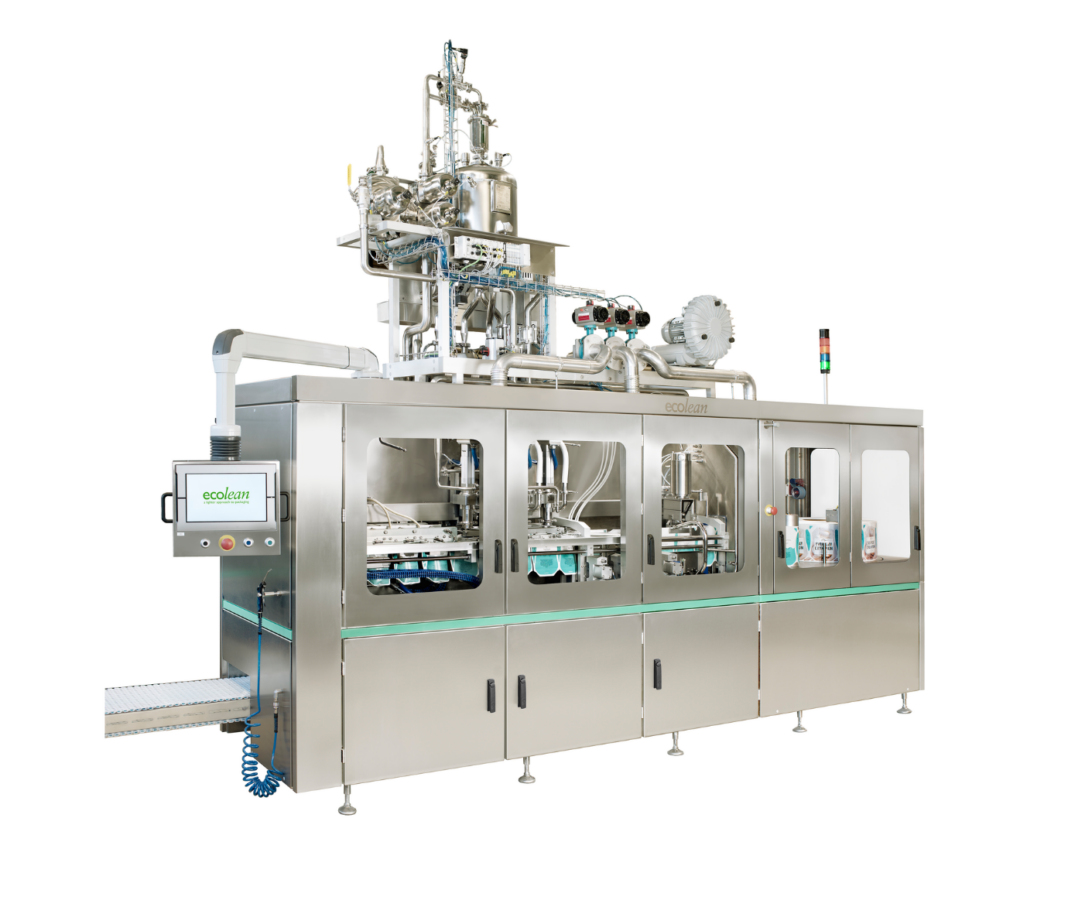
Modern food production moves fast, and accuracy decides everything, especially when delicate products rely on consistent packaging. The industry leans heavily on smart machinery that reduces errors and boosts output without unnecessary complications. This article explains why advanced filling systems reshape efficiency and why the right automation matters more than ever in competitive manufacturing landscapes, especially for companies aiming to maintain stable product delivery.
Precision Drives Product Stability
Efficient filling technology ensures that every batch meets strict quality expectations without slowing production. Businesses prefer machines that offer stable measurements, long-term consistency, and dependable performance. These systems streamline operations and minimise downtime while handling varied materials smoothly. As mid-level automation becomes essential, both cereal filling packaging machines and snacks filling packaging machines gain massive attention within competitive production environments.
Automation Improves Operational Accuracy
Higher accuracy lowers waste, enhances profitability, and maintains packaging uniformity across large production runs. Many manufacturers upgrade equipment to avoid manual errors and unpredictable variations that impact product performance. Mid-sized facilities especially benefit from automated systems because they simplify repetitive tasks. Strategic upgrades involving cereal filling packaging machines and snacks filling packaging machines often deliver noticeable improvements in consistency and long-term reliability.
Consistency Enhances Brand Confidence
Reliable filling operations strengthen customer trust by ensuring each pack matches expected standards every time. Brands depend on stable technology that performs well under pressure and adapts to volume changes. Facilities often seek systems capable of handling sensitive ingredients smoothly. Integrating cereal filling packaging machines and snacks filling packaging machines becomes a crucial move toward predictable results and reduced operational uncertainty across demanding workflows.
Speed Supports Production Growth
Fast-moving production floors require machines capable of steady, uninterrupted output. Modern systems combine compact designs with efficient functionality to meet rising demands. High-speed performance remains a major advantage for facilities dealing with tight schedules, fluctuating orders, and expanding markets. These setups allow companies to keep pace with industry growth while maintaining strong quality benchmarks at every stage.
Technology Reduces Manual Challenges
Automated filling solutions cut down on repetitive labor and reduce the pressure on human operators. Smart control systems, adaptive sensors, and steady calibration help maintain workflow stability, even in high-pressure environments. Manufacturers rely on these tools to lower fatigue-related errors and maintain professional standards. Technology continues to simplify tasks that once required intensive supervision and continuous manual support.
Advanced Machines Improve Packaging Flow
Smooth workflow integration ensures that raw materials move correctly through each production stage without delays. The right equipment enhances material handling, reduces stoppages, and improves timing across complex setups. Operations benefit significantly from systems engineered to maintain precision during heavy usage. Improved workflow results in better productivity and a stronger position in competitive industrial environments.
Strong Summary for Final Insights
Strong machinery decisions influence every stage of production efficiency. Reliable filling systems support stable packaging output, reduce unexpected downtime, and make large-scale operations easier to manage. These technologies continue shaping the direction of modern manufacturing while ensuring each product reaches consumers with consistent quality and professional presentation.
Conclusion
As demand rises for dependable and streamlined packaging solutions, advanced filling machines remain crucial assets. Their ability to maintain pace, accuracy, and reliability directly contributes to stronger operational performance. Companies seeking long-term efficiency continue turning to these technologies to stabilize production and support sustained business growth.